Ontario is ground-zero for a historic demographic shift: The Silver Tsunami. With the baby boomer generation entering their senior years, the demand for clinical, high-quality elder care is restructuring our healthcare system from the ground up.

The Pressure on Infrastructure
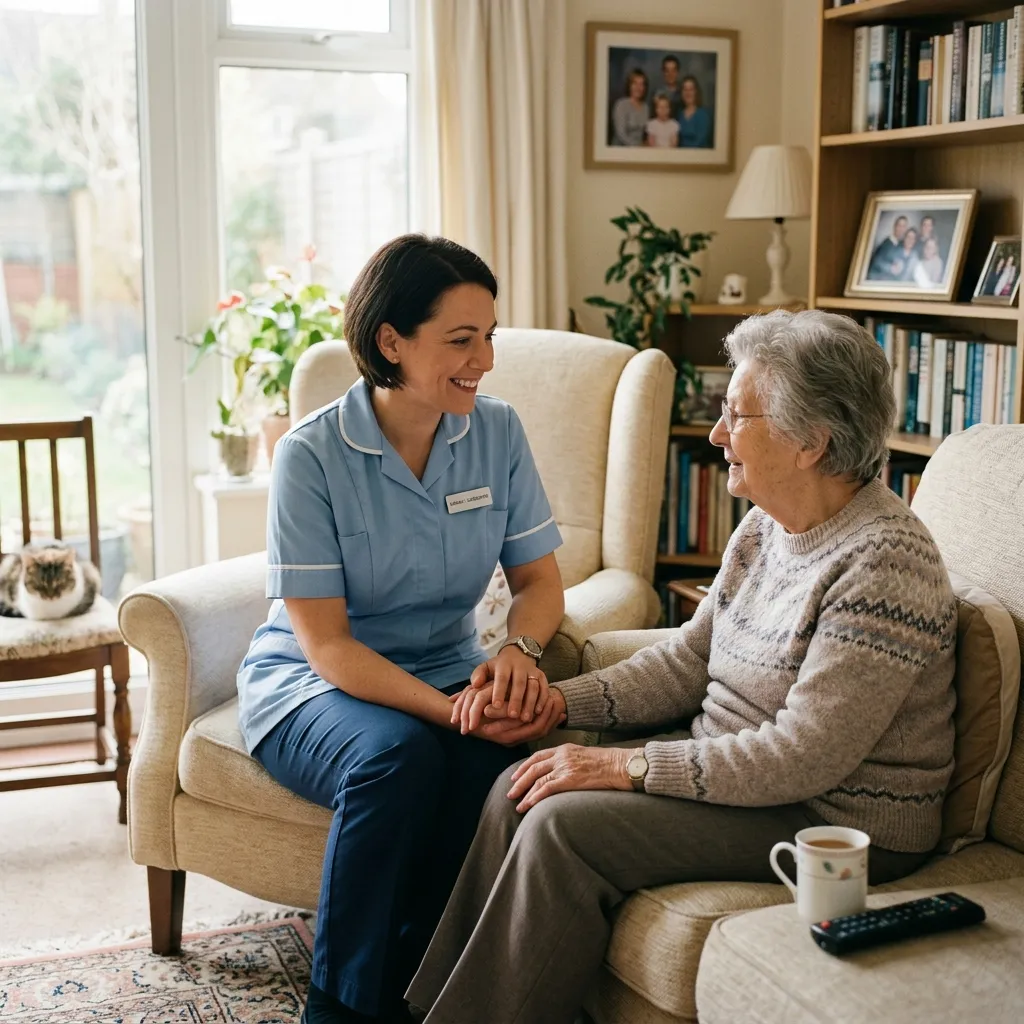
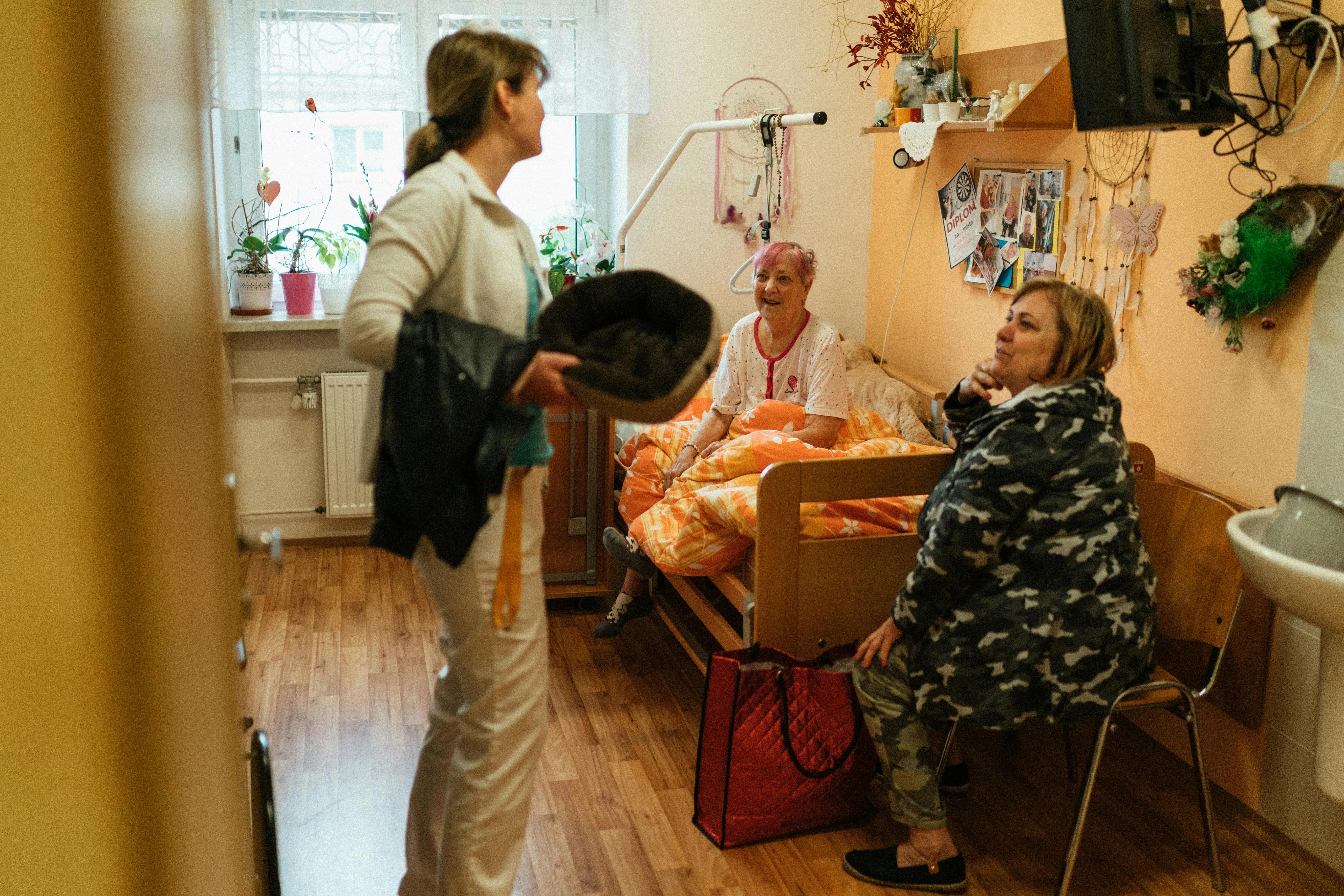
Hospitals were built for acute care, not long-term aging support. Yet, 'ALC' (Alternate Level of Care) patients-seniors waiting in hospitals because it's completely unsafe for them to go home-are overwhelming wards. The solution universally recognized by policy makers is robust, medically supervised home care.
The Paradigm Shift: Hospital at Home
Thanks to advances in remote monitoring, portable medical tech, and highly trained mobile clinical teams, the concept of 'home' is expanding. Services that once required hospitalization-like IV therapy, complex wound care, and intensive monitoring-can now be managed in a senior's living room.
Key Takeaways
Rising Complexity
Seniors are living longer but with more chronic conditions. Home care agencies are employing Registered Nurses to handle complex co-morbidities.
Facility Bed Shortages
Long-term care waitlists in Ontario stretch for years. Families are proactively securing home care to bridge the gap and keep seniors safe at home indefinitely.
Tech-Enabled Care
Using digital health platforms, family members living entirely across the country can now monitor their parent's daily vitals reported by in-home caregivers.
Preventative Approach
The new focus is prevention. A PSW noticing a minor change in diet or skin condition can alert an RN, preventing a crisis before it ever reaches the ER.
The hospital told us mom had to go to a facility, but the waitlist was 2 years. Corelia's nursing team brought hospital-grade care right to our living room. It's the future.
Need Help With Home Care?
Our clinical team is ready to help you find the right care solution for your family. Start within 48 hours.